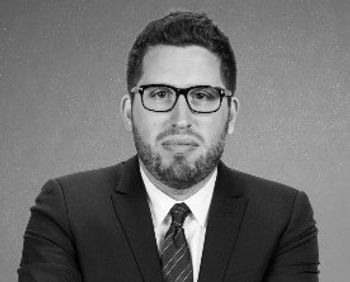
LIVE BLOG: Fmr. Israeli PM Ehud Olmert addresses Yale students
Campus Reform is live blogging Former Israeli Prime Minister Ehud Olmert's appearance at the Yale Political Union at Yale University in New Haven, CT. Follow Campus Reform for updates.
Campus Reform is live blogging Former Israeli Prime Minister Ehud Olmert’s appearance at the Yale Political Union at Yale University in New Haven, CT. Follow Campus Reform for updates.
The live blog has ended. Click here for more information of Ehud Olmert’s role in Israeli politics. Check back for student reactions to Olmert and Al-Qudwa’s comments.
6:33 pm: The room seems pro-Olmert in the sense that they are not pro-Netanyahu.
6:30 pm: During the Q&A portion of the evening, a religious Jewish student asks Olmert why he has moral standing to discuss the conflict given his corruption charges and prison sentence. Olmert retorted that the student sounded like a Benjamin Netanyahu supporter, the first time tonight the anti-Israel contingent appears happy to hear the current Israeli prime minister’s name.
6:28 pm: Olmert appears to be experiencing a burst of energy. He is more animated and loud than at the start of the event. Al-Qudwa has maintained a consistent professorial tone in answering questions.
6:24 pm: For the second time this evening, a consensus reaction emanates from the audience. Both pro- and anti-Israel students express support for ending the war. The first apparent consensus was general disapproval of President Trump. A brief stomp of compassion occurs after Al-Qudwa mentions that it is “one-thirty in the morning for me.”
6:19 pm: Olmert becomes audibly impassioned about his American campus tour this semester and his broader efforts to realize peace in the Middle East. “I’m fighting to accomplish it,” Olmert says. “Every university in America I will go...I will speak up.” His voice rose in crescendo when describing his desire to “force the two sides into a dialogue that will end up in an agreement.”
6:13 pm: Al-Qudwa adds that “we need to be more concrete and frank” about issues such as opposition to foreign entities running Palestinian territories.
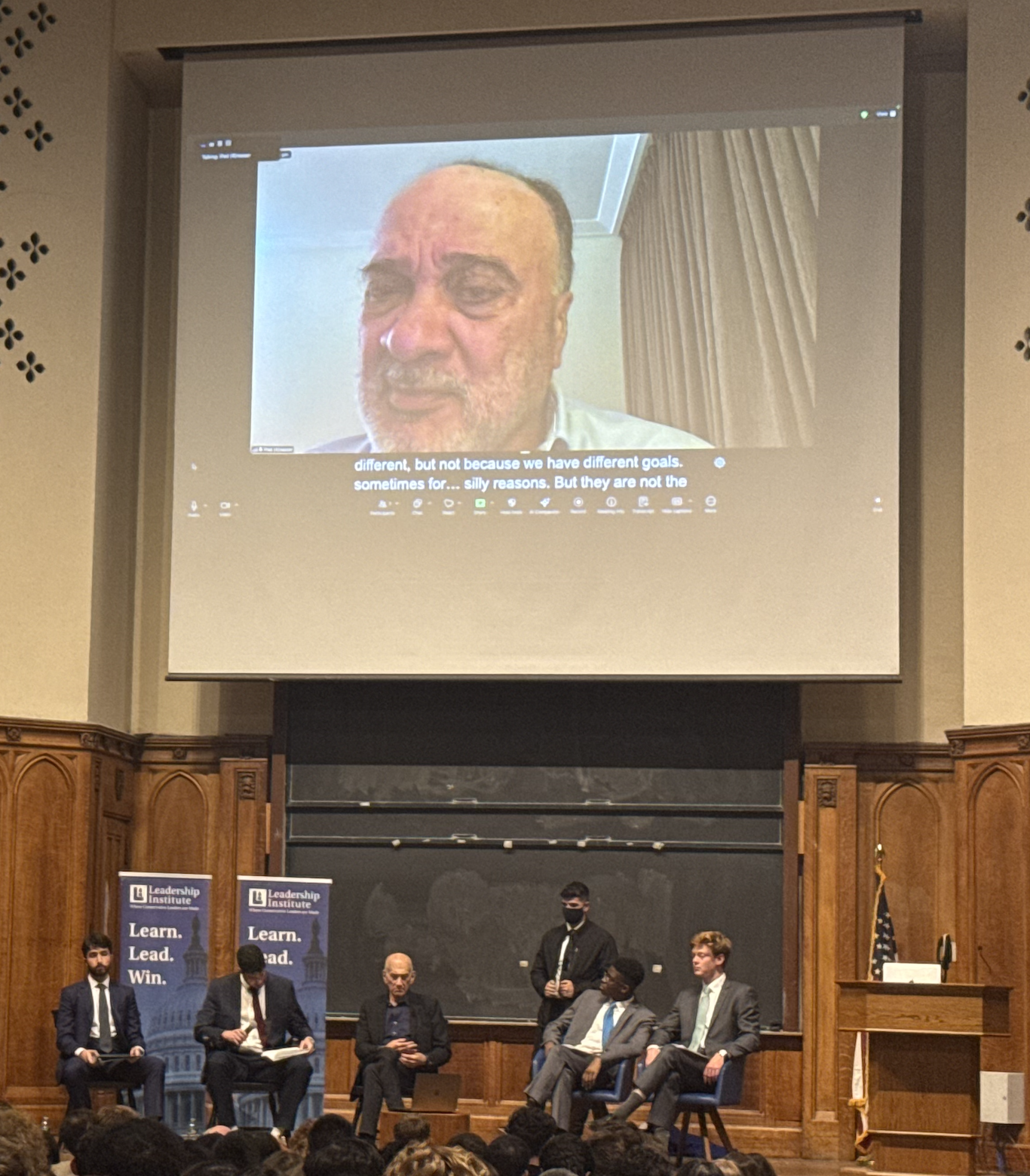
6:09 pm: Al-Qudwa is asked what “will be different this time” in reference to past Palestinian leaders’ resistance to proposed peace plans that represented sets of concessions for both sides. He asks the audience to remember that there are two centers of power in Palestinian politics - Gaza and Ramallah - and the barriers to progress that dynamic has created.
6:06 pm: Palestinian leadership lacked the “courage,” “understanding,” and “wisdom” to accept Olmert’s proposal for peace, which included a divided Jerusalem and a return to pre-1967 borders, the former prime minister states.
6:04 pm: Olmert recounts his past positions that “everything” was “negotiable” and “on the table” to secure peace including the status of Jerusalem.
6:00 pm: In response to a question on the political situation of the Arab-Israeli minority, al-Qudwa argues that “we need to overcome these [inaudible] emotions” and negotiate a way to a two-state solution.
5:56 pm: ”Hamas was never interested in peace,” Olmert states, to a mixture of stomps and hisses.
5:50 pm: Olmert now talks about the October 7 massacre as the “barbaric” event that “started these terrible two years.” He continues that “no one can overlook the fact that the war started” because of the attack. Audience stomping in support of Olmert is at its loudest point in the night, while the hisses rise in volume at the characterization of the killings as “barbaric.”
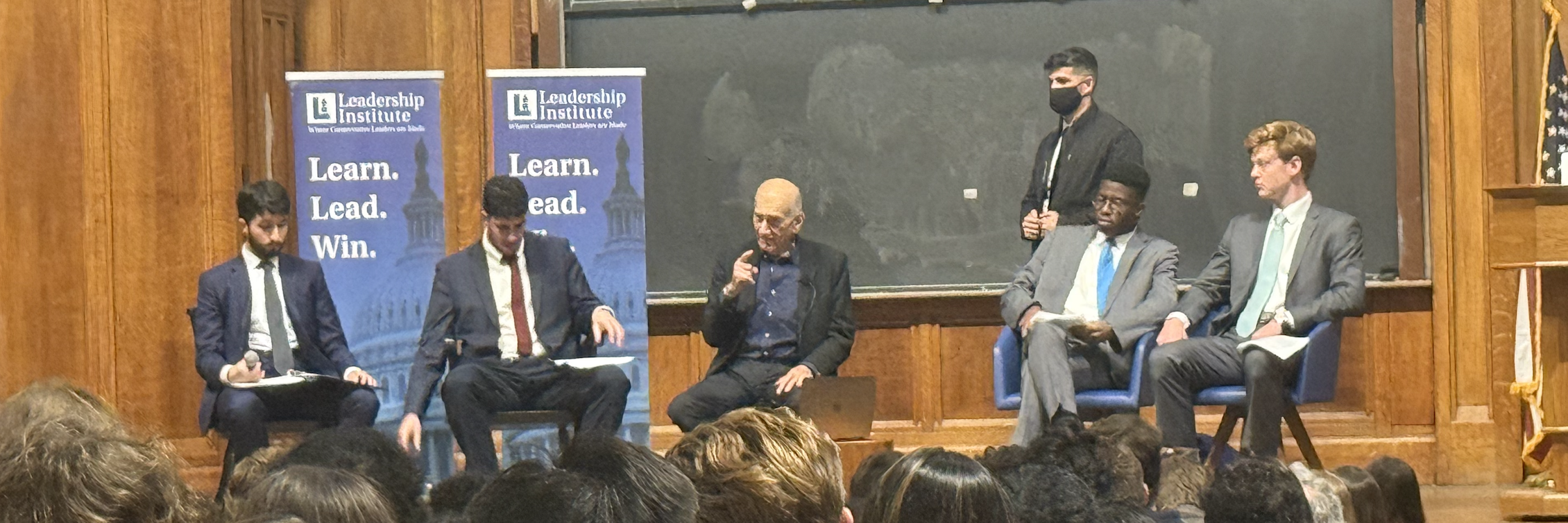
5:46 pm: Al-Qudwa endorses a two-state solution, saying that those who support a Palestinian state must recognize the “humanity of the other side” and the “natural rights of the other side.” He also says that “we need the United States” because the pro-Palestine movement would be “more difficult” without American intervention.
5:42 pm: Olmert recites a list of American presidents who have endorsed a two-state solution including President Trump. Mentions of both Bush presidents elicit hisses while Trump’s name triggers a much more vocal and negative reaction from the room.
5:35 pm: Olmert is asked about the role of America in the Middle East conflict. Amid a review of international affairs history, Olmert stresses the dynamic nature of American foreign policy and support to Israel before and after the 1967 Six-Day War, as well as the need to focus on the future of peace in the region. “We are not in a confrontation where one will win,” Olmert states, saying that those who are hoping for a rhetorical fight between an Israeli and a Palestinian will be disappointed.
5:31 pm: “The state of Palestine does exist,” Al-Qudwa says. The comment elicits vocal reactions from both pro- and anti-Israel audience members.
5:29 pm: Al-Qudwa joins the proceedings by Zoom. He agrees that the 1947 partition plan between Israel and a would-be Palestinian state, which he refers to as an “Arab state,” is the key historical moment from which to frame the issue. “Jewish leaders were way smart[er],” he commented in reference to the decisions that led to the eventual creation of Israel and the subsequent 1948 War of Independence.
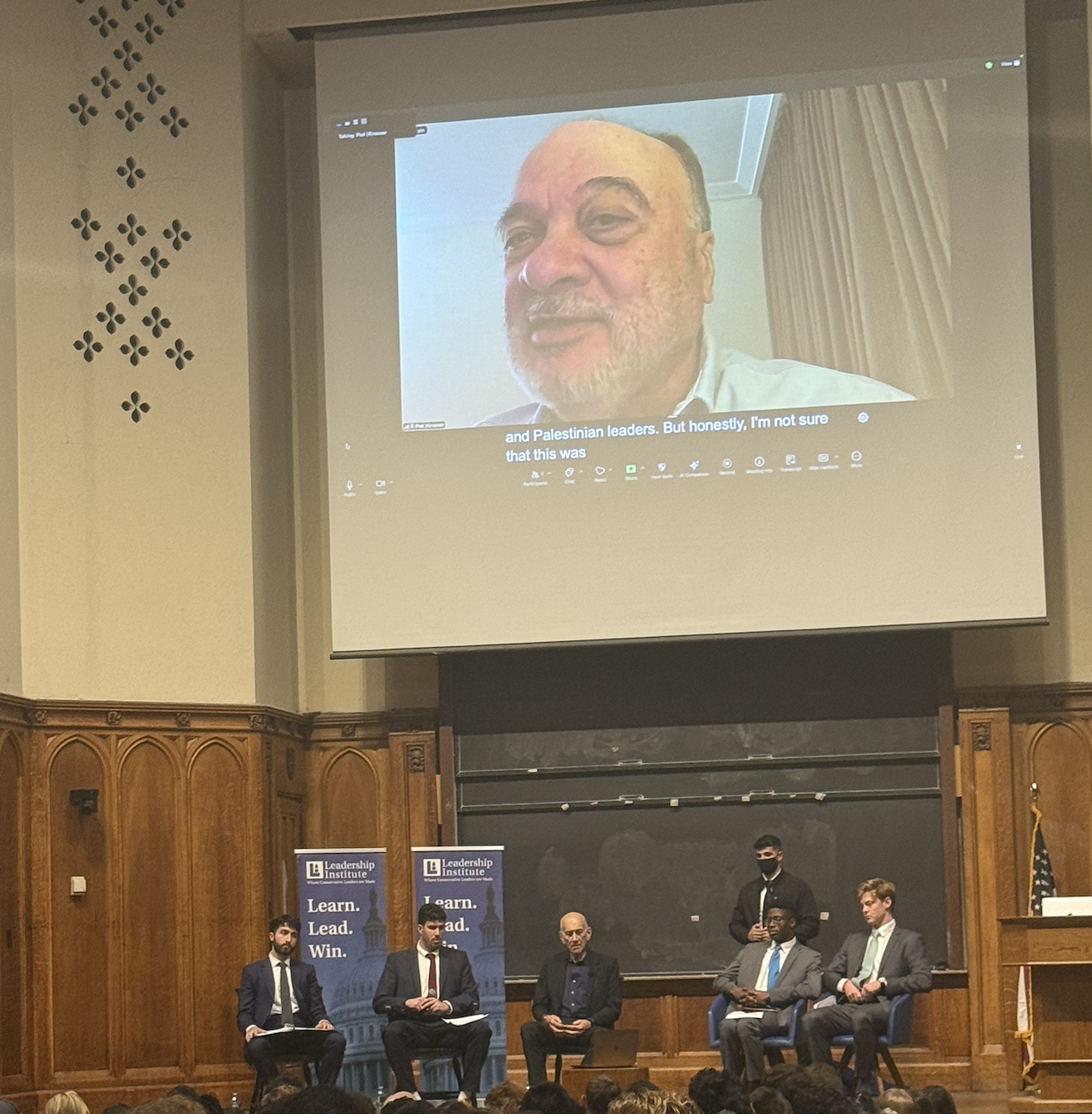
5:24 pm: The moderators give both guests chances to address the historical framing of the Israel-Palestine conflict. Olmert answers first, arguing that too much time is spent arguing about the past at the expense of thinking to the future. He essentializes the moment Palestinian leaders rejected the 1947 partition plan as the key moment in the conflict’s history.
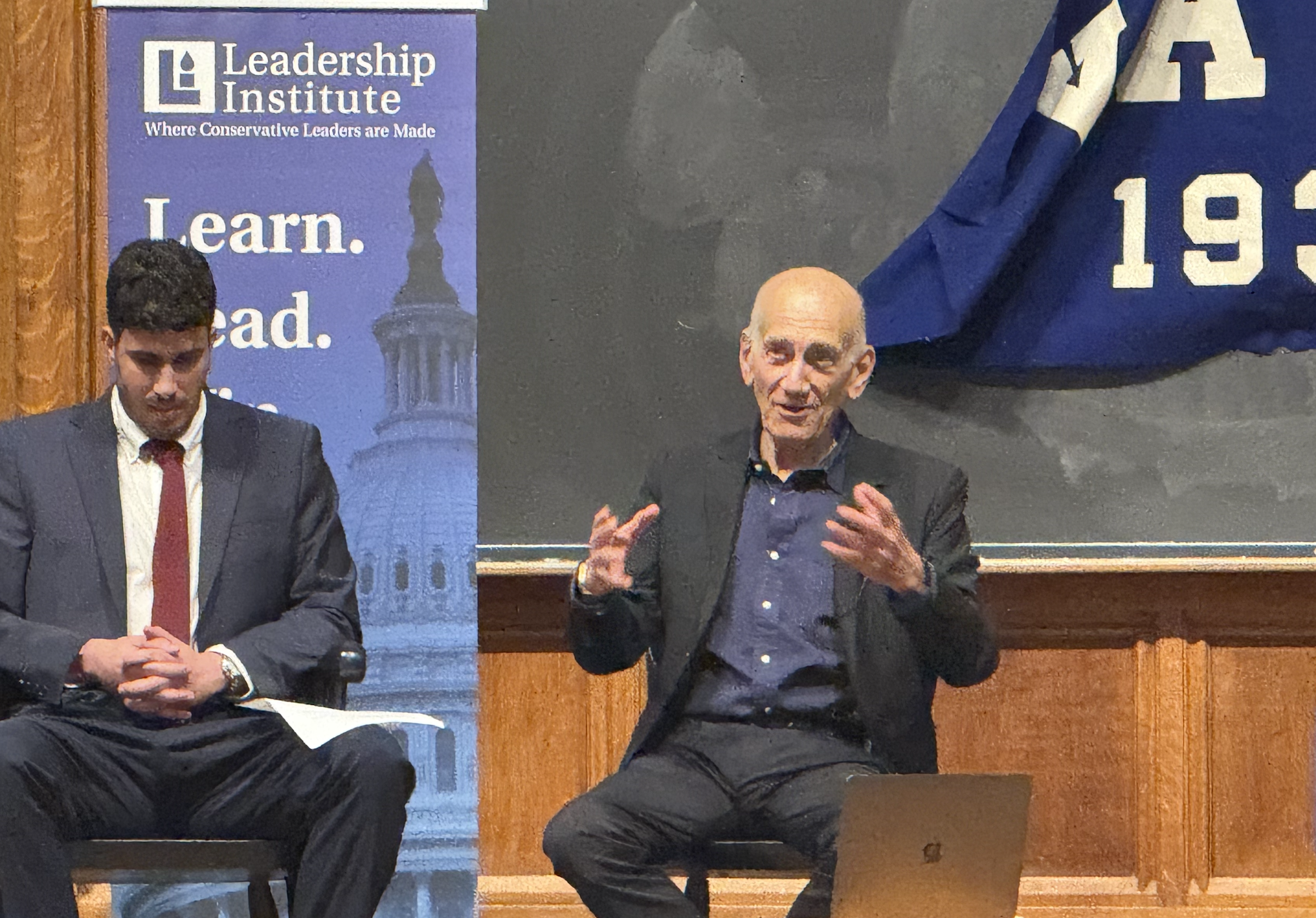
5:17 pm: A student introduces Olmert and former Palestinian Foreign Minister Nasser al-Qudwa (al-Kidwa). Olmert’s reception is mixed and slightly more negative than that of al-Qudwa.
5:12 pm: Ehud Olmert has joined the student moderators on the stage and the event has been called to order.
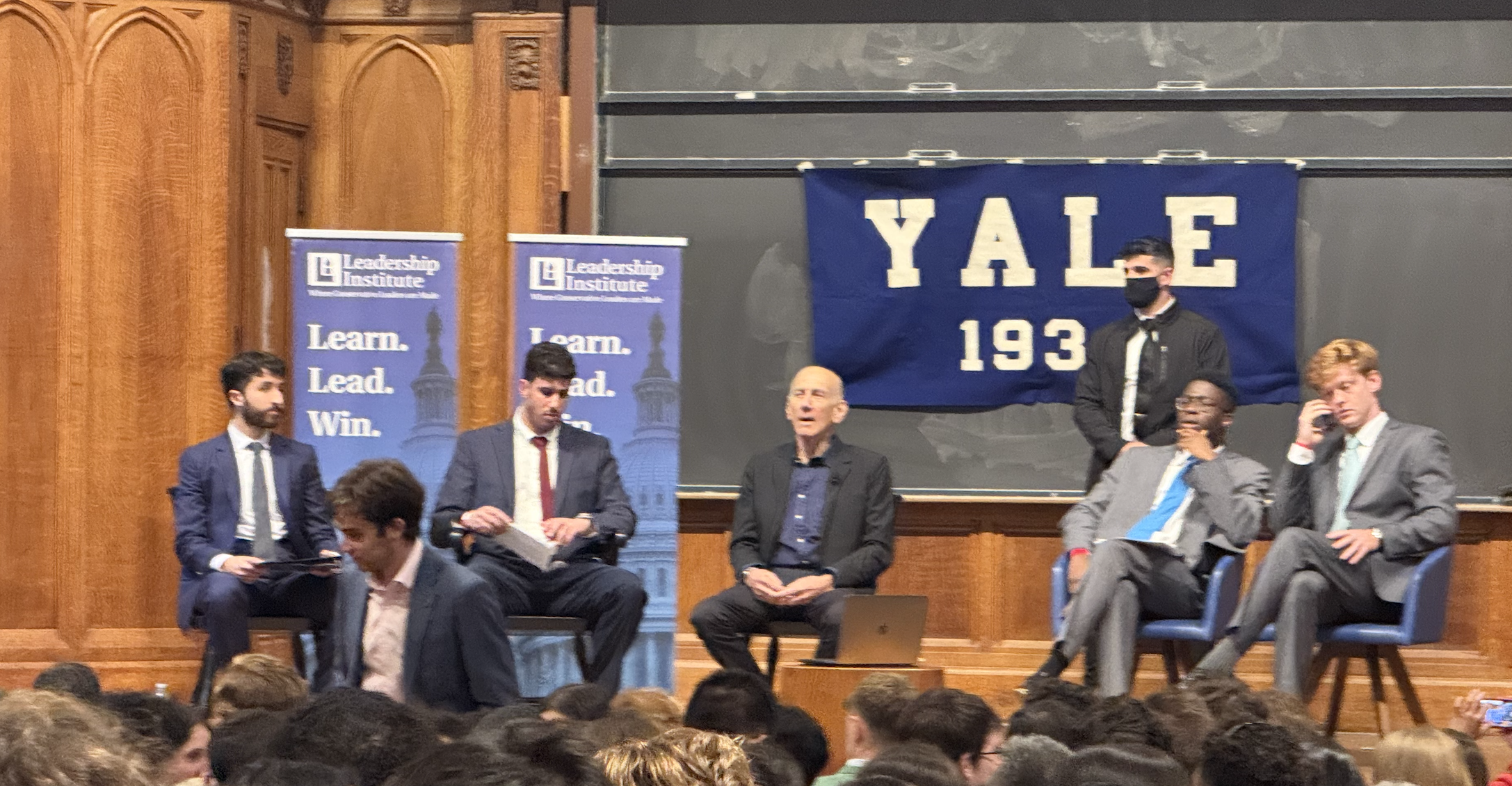
Campus Reform is a project of the Leadership Institute, which funded this event.